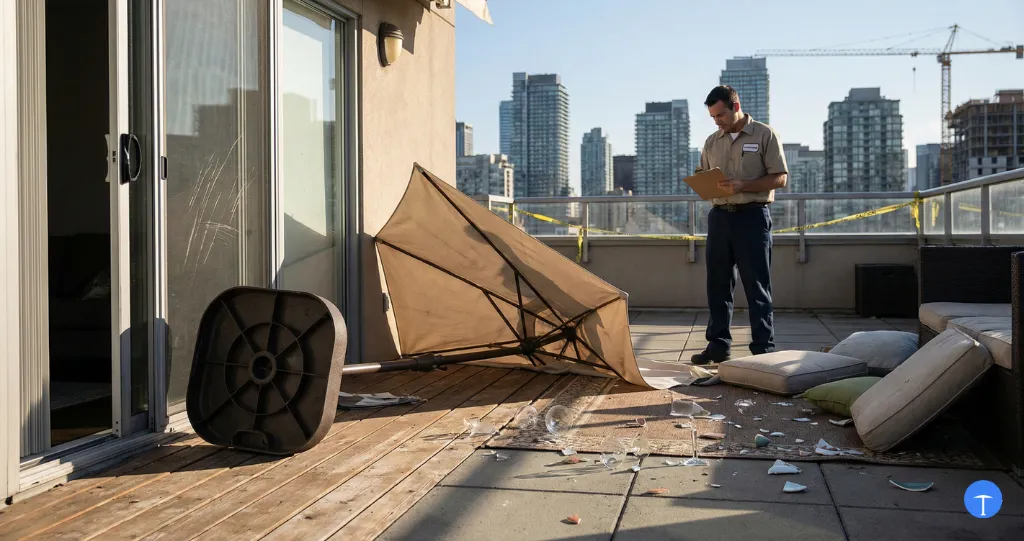
Patio umbrellas are designed for comfort, not hazards. When set up correctly with basic precautions, they pose minimal risk to your family, pets, or property. The essentials are straightforward: adequate base weight, awareness of weather conditions, and regular checks to catch problems early.
This guide covers proper installation through teaching kids safe habits. Most safety measures take only minutes but prevent injuries and property damage.
A standard 9 foot patio umbrella, when open, catches significant wind force. The large canopy acts like a sail, generating lift that can overcome an improperly weighted base. When umbrellas tip or take flight, consequences range from minor annoyances to genuine safety concerns.
Beyond wind events, umbrellas present overlooked hazards. Pinch points catch fingers. Proximity to heat sources creates fire risks. Even UV protection has limitations. Addressing these factors proactively means enjoying your outdoor space without worry.
Good safety starts with installation. The goal is a stable setup that won’t shift during normal use or moderate gusts.
For table umbrellas, ensure the pole fits snugly through the center hole. Loose fits cause wobbling that stresses both umbrella and table. Oversized holes benefit from rubber ring adapters.
Cantilever umbrellas require level ground. Even slight slopes cause heavy bases to shift over time. Check with a level before positioning.
Freestanding umbrellas need the most attention. Position them away from high traffic areas and ensure adequate clearance for quick closing when weather changes.
An undersized base is the single most common cause of umbrella accidents, and it’s entirely preventable.
Plan for at least 10 pounds of base weight per foot of canopy diameter. A 9 foot umbrella needs roughly 90 pounds minimum. Windy locations or elevated decks require substantially more. If uncertain about what size umbrella base you need, err heavier.
Fillable bases offer flexibility. Water works for most situations. Sand is heavier and doesn’t slosh, better for windier spots. Check bases periodically for leaks.
Wind is the primary threat to patio umbrella stability. Even well anchored umbrellas have limits.
Close your umbrella when sustained winds reach 15 to 20 mph or gusts exceed 25 mph. For specific guidance on what wind speed requires closing your umbrella, consider your umbrella size and base weight together.
Check forecasts before outdoor gatherings. Summer thunderstorms arrive quickly with sudden gusts. If your location experiences regular wind, explore solutions for keeping umbrellas from blowing away.
Children are naturally curious and often unaware of hazards adults recognize instinctively.
Crank mechanisms contain gears with enough mechanical advantage to cause painful injuries if fingers get caught. Establish a simple rule: only adults operate the umbrella. Understanding the parts of a patio umbrella helps identify these danger zones.
Children see umbrella poles as something to grab or swing on. The sudden weight shift can tip even properly weighted bases. Make clear the umbrella isn’t playground equipment and hanging on the pole is off limits.
Young children should be supervised around open umbrellas, particularly during windy conditions when canopies might move unexpectedly.
Dogs running into umbrella poles can generate enough force to tip inadequately weighted bases. Factor excited pet activity into your base weight calculations.
Ensure cords from the umbrella’s pulley system aren’t accessible for chewing or tangling. Retract and secure excess cord when not in use.
Most umbrella injuries happen during operation rather than while umbrellas sit peacefully providing shade.
When opening, keep hands and face clear. Spring loaded mechanisms can cause ribs to snap open quickly. Operate cranks smoothly rather than jerking.
When closing, lower the canopy before adjusting tilt. Trying to close a tilted umbrella creates awkward angles that can damage the crank mechanism or bend ribs. If you feel resistance, stop. Forcing stuck mechanisms risks breaking parts.
Umbrellas with LED lights or solar panels use low voltage systems, but precautions apply.
Inspect wiring seasonally for damage from weather, rodents, or wear. Frayed wires should be repaired before continued use. Keep umbrellas at least 10 feet from overhead power lines, especially cantilever models that extend when tilted.
Grills, fire pits, and heaters produce heat that can ignite canopy fabrics, even those with fire retardant treatments.
Maintain at least 10 feet between your umbrella and any flame or heat source. This includes operating grills, cooling charcoal, active fire pits, and propane heaters. Position umbrellas upwind from cooking areas when possible.
Shade doesn’t equal complete UV protection. Standard polyester blocks most direct sunlight but allows some UV through. Reflected UV from concrete, water, or sand reaches you from below.
For enhanced protection, look for umbrellas designed for UV blocking. UPF 50+ fabric blocks over 98% of direct UV radiation. Even then, sunscreen remains appropriate for extended outdoor time.
A quick inspection every few weeks identifies issues before they become hazards.
| Component | What to Check | Warning Signs | Action Needed |
|---|---|---|---|
| Base and weight | Stability, cracks, leaks | Wobbling, visible cracks, water stains | Replace cracked bases; refill or switch to sand |
| Pole and connections | Straightness, secure joints, rust | Bent sections, loose fittings, discoloration | Tighten connections; sand and seal rust |
| Canopy fabric | Tears, degradation, mold | Holes, brittle fabric, musty smell | Patch small tears; replace degraded canopies |
| Ribs and frame | Alignment, bends, corrosion | Uneven opening, visible damage | Straighten minor bends; replace damaged ribs |
| Crank mechanism | Smooth operation, sounds | Difficulty turning, grinding noise | Clean, lubricate, or repair mechanism |
| Tilt mechanism | Engages and holds position | Slipping, won’t lock | Adjust tension; clean pivot points |
| Hardware and bolts | Tightness, rust, missing pieces | Looseness, staining, gaps | Tighten or replace hardware |
Always close and secure canopies when not in active use. A sudden gust while you’re inside can send an unattended umbrella flying.
For overnight storage, use a protective cover to shield fabric from dew and UV degradation. Store umbrellas in a garage or shed during extended absences. For complete guidance on storing your umbrella for winter, clean and dry the canopy thoroughly before long term storage.
If your umbrella weathers an unexpected storm, inspect thoroughly before resuming use. Check the frame for bent ribs or a warped pole. Examine fabric for tears or stretched seams. Test all mechanisms for smooth operation.
Minor damage like small tears or surface rust can often be repaired. Significant structural damage typically means replacement is safer than repair. Using a compromised umbrella risks failure during normal use.
Homeowner’s insurance typically covers patio umbrella incidents, but coverage varies. If your umbrella damages a neighbor’s property or injures someone, your liability coverage generally applies.
Document your umbrella setup with photos, especially adequate base weight and secure installation. This documentation helps demonstrate reasonable precautions if ever needed. Renters should verify their policy covers outdoor furniture and related liability.
Kids who understand why rules exist follow them more consistently. Explain that the umbrella is heavy and can fall if pushed. Demonstrate proper distance during opening so children see how quickly canopies expand. Make checking the umbrella part of outdoor preparation.
Patio umbrellas are safe in light to moderate winds when properly anchored. Close your umbrella when sustained winds exceed 15 to 20 mph or gusts reach 25 mph. Adequate base weight is essential for stability.
Yes, improperly weighted umbrellas can tip and cause injury. Risk increases in wind or if someone bumps the pole. Adequate base weight and keeping children from hanging on the pole prevent most incidents.
Leaving umbrellas open overnight is generally safe in calm conditions but not recommended. Unexpected gusts and storms pose risks. Closing when not in use extends lifespan and eliminates hazards.
Maintain at least 10 feet between your umbrella and any grill, fire pit, or heat source. This prevents heat damage and eliminates fire risk from sparks or flames.
Standard umbrellas block most direct sunlight but allow some UV through. For significant protection, choose UPF rated fabrics. UPF 50+ canopies block over 98% of direct UV radiation.
Pinched fingers from crank mechanisms represent the most common injury. This occurs when hands are too close during operation or children attempt cranking unsupervised. Smooth, controlled operation prevents most pinch injuries.
Patio umbrella safety requires no elaborate precautions. Use adequate base weight, respect wind conditions, and perform basic maintenance. These habits become automatic and let you enjoy your outdoor space with confidence.